From Policy to Practice: Key Takeaways from the 2026 PQA Annual Meeting
As PQA celebrates its 20th anniversary, the general sessions offered a blend of reflective milestone discussions and forward-looking strategies regarding drug pricing policies, emerging therapeutics, and clinical interoperability.
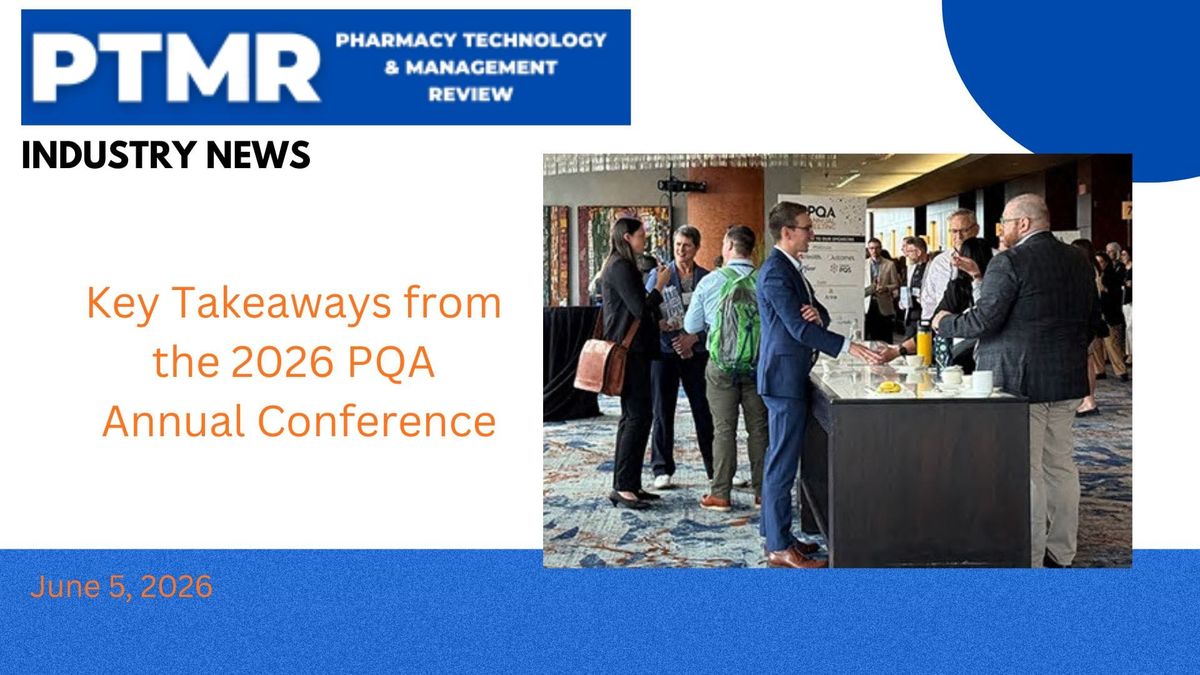
The 2026 Pharmacy Quality Alliance (PQA) Annual Meeting in Baltimore brought together over 400 healthcare executives and quality professionals from across the healthcare — including pharmacies, health plans, PBMs, technology vendors, and government agencies. Featuring more than 60 speakers, the three-day event centered on driving improvements in medication safety, delivery, and adherence.
As PQA celebrates its 20th anniversary, the general sessions offered a blend of reflective milestone discussions and forward-looking strategies regarding drug pricing policies, emerging therapeutics, and clinical interoperability.
Mapping the Future of Medication Access & Quality
The meeting kicked off with a deep dive into “20 Years of Medicare Part D and PQA.” Sessions featured a conversation with PQA’s founding leaders alongside a strategic look at current administration priorities for drug pricing policy. Panelists analyzed the long-term implications of these policies on patient access and clinical outcomes, reflecting on how PQA’s consensus-based quality metrics have been embedded directly into CMS Star Ratings. A primary example highlighted was the impact of initiatives like Pharmacy Quality Solutions (PQS) in connecting health plans and pharmacies around performance improvement and value-based care.
Get the Balance Right: Affordable Access to GLP-1 Medications
“Get the Balance Right: Increasing Affordable Access to GLP-1 Medications,” was a general panel discussion focused on the upcoming Medicare GLP-1 Bridge Demonstration program. Under this pilot, the Centers for Medicare & Medicaid Services (CMS) will provide eligible beneficiaries access to certain GLP-1 weight-management medications for a flat $50 monthly copay from July 1 through Dec. 31, 2027.
The temporary Bridge program serves as an operational runway for the broader BALANCE (Better Approaches to Lifestyle and Nutrition for Comprehensive hEalth) model — a voluntary initiative pairing negotiated drug pricing with structured lifestyle support, launching for Medicaid in May 2026 and expanding to Medicare Part D in January 2027.
The panel addressed a massive attitude shift: the critical need to treat obesity as a complex, chronic disease state with measurable outcomes, identical to diabetes. However, speakers outlined severe operational and plan-sustainability hurdles for the Medicare population:
- Operating Outside Part D: CMS guidance states that the Bridge program bypasses standard Part D coverage and payment flows. Part D plan sponsors carry zero financial risk and do not manage the benefit. Consequently, a patient’s $50 copay does not count toward their Part D deductible, True Out-of-Pocket (TrOOP) costs, or standard low-income subsidies.
- The Standalone Billing Infrastructure: CMS designated Humana as the standalone “central processor” to manage all prior authorizations, claims adjudications, and direct pharmacy payments. While pharmacies do not have to “opt in,” claims cannot be billed to a patient’s standard insurance card.
- The Burden on Pharmacy Networks: While the FDA continues to expand approved clinical indications for GLP-1s, stocking costs and low reimbursement remain high barriers. Because pharmacists are not widely recognized as Medicare providers, enrolling with payers is difficult, underscoring the absolute necessity for pharmacies to join clinically integrated networks.

Establishing the Value of Pharmacy Services
In alignment with PQA’s outcomes-based mission, the general session "Establishing the Value of Pharmacy Services: Clinical Documentation and Information Exchange" tackled the technical infrastructure required for value-based care. While pharmacists must routinely demonstrate effective medication management, panelists noted that substantial value is routinely lost due to a lack of documentation consistency as well as the lack of interoperability among management systems.
Industry representatives — including representatives from Kroger Health, Thrifty White Health, Epic, and Louisiana Blue — emphasized that standardized, shareable documentation embedded directly within existing workflows is non-negotiable. Utilizing unified clinical frameworks, improves outcomes and clinical efficiency. More importantly, it supports provider reimbursement by linking discrete pharmacist interventions directly to measurable, electronic results that can be shared across the broader healthcare ecosystem.
Exploring Innovation in Breakout Sessions
Beyond the main stage, breakout sessions allowed attendees to digest real-world case studies. Key topics included the emerging role of artificial intelligence (AI) in value-based care, digital patient engagement strategies within specialty pharmacy, and leveraging comprehensive medication management (CMM) services to directly improve quality measures.
To read more about the 20th Anniversary event insights, you can view the official PQA 2026 Annual Meeting Wrap-Up. Mark your calendars for the 2027 PQA Annual Meeting, taking place May 10-12, 2027, at the Indianapolis Marriott Downtown.