

NCPA’s 2025 Annual Convention GPS: Growth, Performance, Success
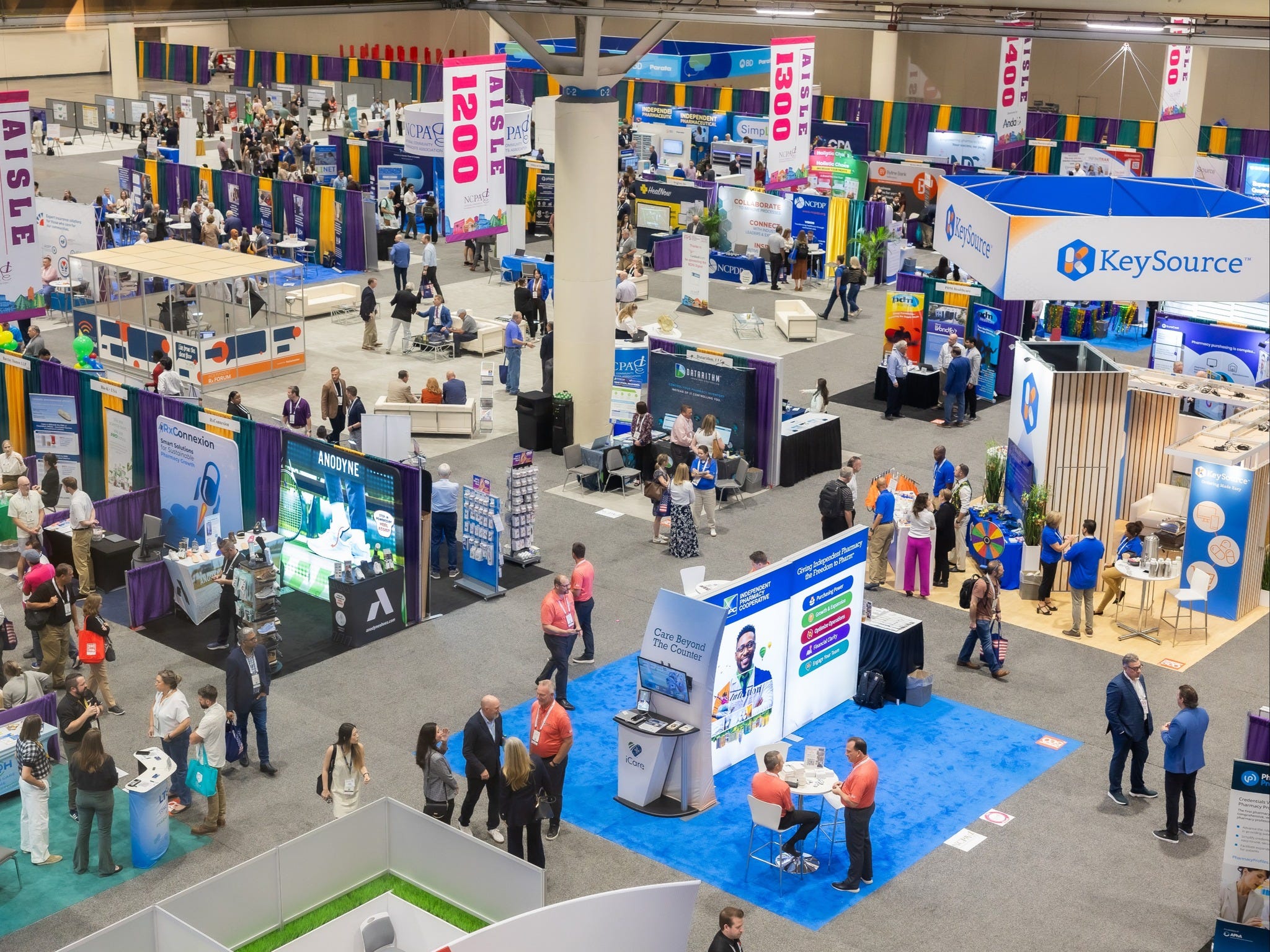
NCPA's Annual Convention brought together pharmacy owners, technicians, students, exhibitors, and sponsors for three days of educational programming, legislative updates, and a busy exhibit hall.
The National Community Pharmacists Association’s (NCPA) Annual Convention & Expo was held in New Orleans in October 2025. During the convention, NCPA made a number of important news announcements.
NCPA welcomed Kristen Riddle, Pharm.D., of Greenbrier, Ark., as the 2025-2026 president.
“The world is changing, and so is our profession,” Riddle said in her inaugural speech delivered during the NCPA House of Delegates meeting. “Patients are looking to us not only for prescriptions, but also for prevention, education, chronic care management, insurance, point-of-care testing and treatment, mental health support, and so much more. We are not simply dispensers — we are providers, advocates, innovators, and leaders in the healthcare system.”
NCPA delegates also elected Cole Sandlin as the newest association officer and approved resolutions addressing key policy issues, including limiting pharmacy benefit managers’ ability to own a pharmacy and addressing pharmacy deserts.
Brittany Sanders, Pharm.D., of the Pharmacy at Wellington in Little Rock, Ark., was named the 2025 NCPA Willard B. Simmons Independent Pharmacist of the Year. This award recognizes a pharmacist for exemplary professional leadership, community service, and commitment to independent pharmacy.
A team of student pharmacists from the University of Texas at Austin won the 22nd annual Good Neighbor Pharmacy NCPA Pruitt-Schutte Student Business Plan Competition, which is the first national competition of its kind in the pharmacy profession and encourages students to develop a business model for opening or buying an independent pharmacy.
“The NCPA Foundation helps cultivate the next generation of independent community pharmacy owners, and the Good Neighbor Pharmacy NCPA Pruitt-Schutte Student Business Plan Competition is our crown jewel in those efforts,” says Jerry Shapiro, Pharm.D., president of the NCPA Foundation. “Many past participants in the competition have gone into ownership and point to this experience as being an important steppingstone in achieving that goal.”
NCPA also released the 2025 NCPA Digest, which provides a wide range of key metrics about the independent community pharmacy marketplace, including overall size and financial and patient care trends.
“Independent community and long-term care pharmacies have long been known for the many indispensable services and quality care they offer,” says NCPA CEO Doug Hoey, pharmacist, M.B.A. “With economic pressures on pharmacies continuing unabated, it is critical that policymakers change the pharmacy payment model to compensate for value and recognize pharmacists for the services they do and can provide. This fight continues, with the help of the NCPA Digest report and the goal of healthier pharmacies and patients.”
The NCPA Foundation, a nonprofit organization focused on advancing the sustainability and growth of independent community pharmacists, announced three major awards and a new initiative at the convention.
Erik Nelson, who owns five pharmacies in the Spokane, Wash., and Post Falls, Idaho areas, received the NARD Ownership Award, which celebrates entrepreneurial spirit and demonstrated excellence in community pharmacy ownership.
“Erik Nelson exemplifies the entrepreneurial spirit and innovation that defines the best of independent community pharmacy,” says Jeff Harrell, Pharm.D., president of NCPA and CEO of Cascadia Pharmacy Group. “From his remarkable start as a new graduate purchasing his first pharmacy, to his leadership of multiple stores and the Cascadia Pharmacy Group, Erik has demonstrated that independent pharmacy ownership remains a vibrant and vital path for advancing patient care. His commitment to clinical services, mentorship, and community engagement sets a powerful example for the next generation of pharmacy owners.”
The Foundation also awarded Matt Binder, who owns three Seattle-area pharmacies, the 2025 National Preceptor of the Year Award for his significant contribution to educating pharmacy students as a mentor and teacher in a community practice setting.
Additionally, Robert (Bob) J. Greenwood of Iowa, a powerful advocate for independent pharmacy and former NCPA president, was awarded the prestigious 2025 John W. Dargavel Medal for embodying leadership and accomplishment on behalf of the profession.
“Bob Greenwood is a truly exceptional leader and steward of the pharmacy profession, and I couldn’t be more delighted to see him receive the Dargavel Award. He exemplifies the very best of what it means to be a community pharmacist, and we are incredibly fortunate to have him as a colleague and friend,” says Sharon Sherrer, president elect of the NCPA Foundation board of trustees.
Finally, the NCPA Foundation made a significant program announcement with the launch of the Rural Pharmacy Ownership Accelerator, a free, 12-month virtual program designed to prepare future pharmacy owners to succeed in rural America. This accelerator aims to address the critical shortage of pharmacy services in rural areas by providing expert training, mentorship, and business planning support to remove barriers to ownership, complementing NCPA’s existing Pharmacy Ownership Workshop.
The conference also featured a multiday agenda of educational sessions, which focused broadly on financial innovation, operational diversification, and navigating complex policy changes within community pharmacy. Topics included scaling medical billing, the cost-plus business model, and expanding services to incorporate revenue streams such as DMEPOS (durable medical equipment, prosthetics, orthotics, and supplies) and longevity medicine. Attendees were also provided insight into the major policy changes affecting the industry, including understanding the Medicare Drug Price Negotiation Program and receiving updates on TRUST LLC. Other topics looked at the future of pharmacy, including harnessing AI (artificial intelligence) for success and using digital health tools to close care gaps, while practical sessions offered strategies for differentiating practices through care coordination, using CPESN special-purpose programs, and specializing in niche areas like long-term care and managing the impact of GLP1s on compounding.