FrameworkLTC Innovation Conference 2026: How Workflow Intelligence & Built-In AI Are Redefining LTC Pharmacy
Discover key takeaways from the FrameworkLTC Innovation Conference 2026, exploring how workflow intelligence, built-in AI, and strategic governance are transforming long-term care pharmacy.
An Era of Workflow Intelligence
The Long-Term Care (LTC) pharmacy sector stands at a critical juncture. Rapid industry consolidation, shrinking reimbursement margins, rising patient acuity, and acute staffing shortages are forcing pharmacy leaders to re-evaluate traditional operating models. In this high-stakes environment, SoftWriters is building technology designed to fundamentally transform how work is executed.
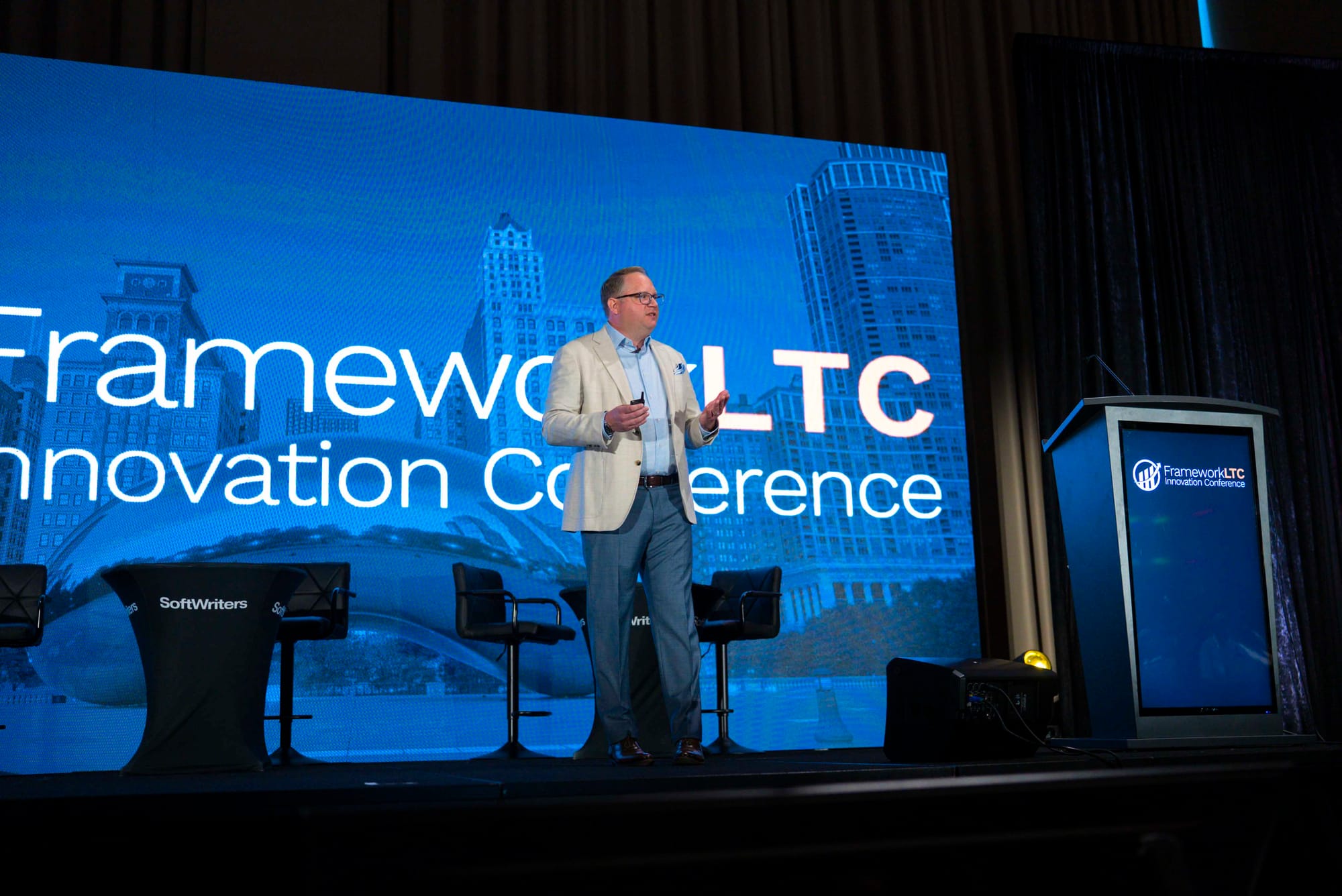
At the FrameworkLTC Innovation Conference 2026, SoftWriters’ executive leaders, engineers, product owners, and early-adopter pharmacy executives laid out a clear blueprint for a pharmacy future built on workflow intelligence. "The future we're building is one where your teams can operate at the highest degree of their training with technology and AI that’s built in, not bolted on,” said SoftWriters President and CEO Scott Beatty. By combining process automation, AI copilots, and autonomous agents within a single platform, pharmacies can expand operational capacity, enforce clinical guardrails, and unlock enterprise value.
The Strategic Imperative
LTC pharmacy workflows operate under what Scott Beatty calls a theory of constraints: solving an upfront bottleneck invariably shifts operational pressure downstream unless the entire workflow is managed as an integrated system.
For example, noted Beatty, when pharmacies deploy AI to automate upfront order entry, the throughput bottleneck rapidly shifts to initial clinical review, facility onboarding, and claims adjudication. Resolving these bottlenecks requires matching the right AI architecture to each specific type of workflow:
• Transactional Work (Automation-Driven): Repetitive, high-volume tasks such as standard order entry and document ingestion.
• Analytical Work (Data-Driven Insight): Leveraging big data to prioritize market opportunities, analyze claims rejection trends, and optimize resource allocation.
• Judgment Work (Human-in-the-Loop Copilots): Complex clinical decisions, order verification, and high-risk interactions where AI acts as an assistant to human expertise.
The Workflow Intelligence Portfolio
The conference showcased how SoftWriters is building a comprehensive suite of native AI solutions designed specifically for the operational complexities of long-term care. Attendees got a look at the latest SoftWriters products, both live and in the development pipeline.
Top of the list and AI-driven is AI Order Entry (AIOE), which is live in pharmacies now. AIOE parses incoming prescriptions and eMAR orders, populating complex system fields in under 28 seconds. This is a drastic reduction from manual entry, which averages 1.5+ minutes across 13 to 20 fields. Well optimized pharmacy sites are applying AIOE to 60% of prescriptions.
Attendees also got a look at several products in beta — addressing areas such as facility onboarding, pharmacists initial review, and claims management, as well as a preview of one of SoftWriters’ next-generation AI-agents.
AI Governance: The Six Lenses of Trust
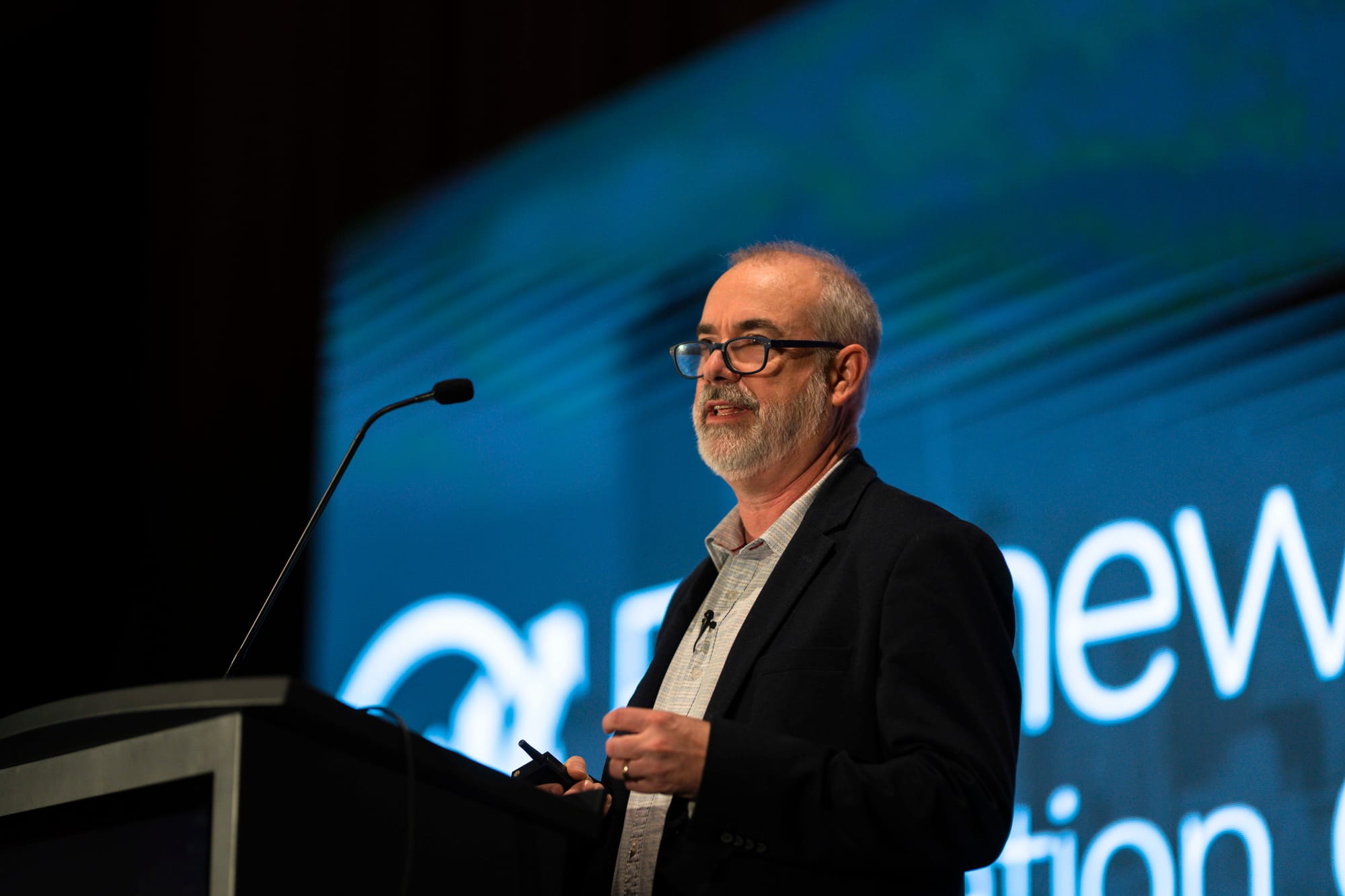
A central theme of the conference was the critical role of AI governance. As Mike Steffek, SoftWrikers VP of engineering, emphasized, while AI innovation moves at an unprecedented pace, governance cannot be an afterthought. "AI is not a feature. It's changing the discipline,” said Mike Steffek, SoftWriters VP of engineering. “It's changing the workflow. It's changing how we think. You can't bolt on governance. It has to be built into a platform." Steffek offered six lenses of governance through which pharmacies should evaluate AI deployment:
1. Clinical Safety: Establishing patient safety as a non-negotiable red line where clinical judgment remains paramount.
2. Operational Ownership: Ensuring a clear "human in charge" who possesses the explicit authority and mechanism to throttle or pause AI execution.
3. Regulatory & Auditability: Maintaining a unified audit log that can trace and explain every AI-assisted action months after execution.
4. Privacy & Security: Safeguarding Protected Health Information (PHI) by keeping data within HIPAA-compliant platform boundaries without exposing data to unauthorized third parties.
5. Financial Control: Utilizing transactional pricing and configurable execution toggles to keep AI operational expenditures predictable and measurable.
6. Vendor Architecture: Partnering with vendors who natively build and support the technology rather than wrapping unvetted third-party tools.
Early Adopter Pharmacy Panel
Another highlight of the conference was a roundtable in which a panel of LTC pharmacy leaders shared concrete operational metrics and organizational outcomes resulting from using AIOE:
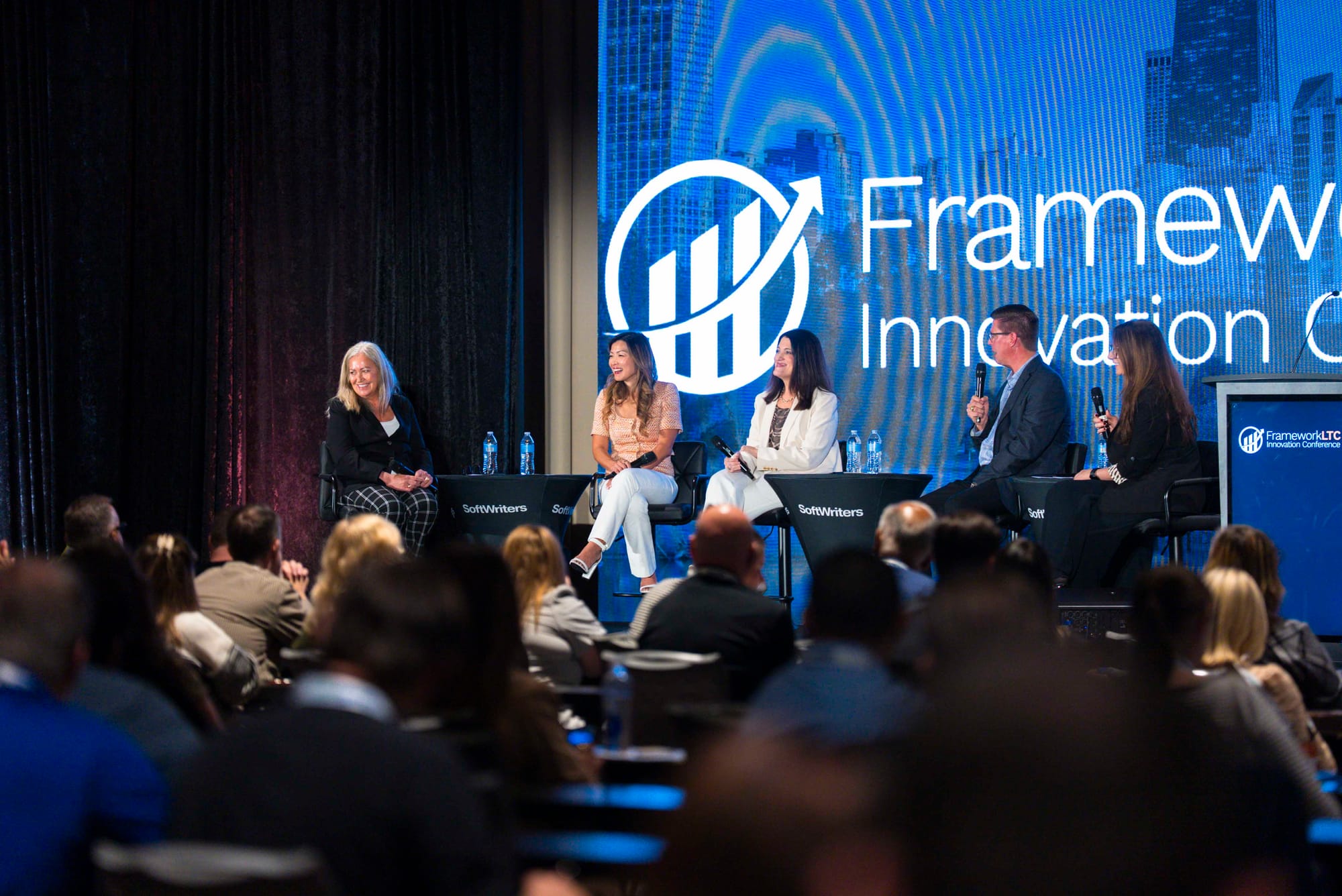
• Volume Scaling Without Headcount Expansion: Miriam Cho, Pharm.D., president and chief pharmacy officer at MAC Rx, reported that across three pharmacy locations, AI order entry output scaled from an initial benchmark of 20,000 orders in August to nearly 54,000 orders in September, yielding a 15% to 20% increase in output following system optimization.
• Automation Rates & Out-Time Improvements: Sarah Barker, Pharm.D., VP of pharmacy services at Turenne PharMedCo, highlighted a 49.5% automation rate on new eRx oral solids, which dramatically reduced manual data entry, improved pharmacy dispatch/out-times, and enabled earlier batching for automated dispensing machines.
• Quality & Multi-Tasking Reduction: Jason Haire, Pharm.D., senior director of pharmacy services at M Chest Pharmacy, and Miriam Cho noted that automating routine data entry eliminated constant task-switching for technicians, for example, toggling between order entry and phone triage. This created breathing room to reallocate staff toward proactive customer service, facility communication, and higher-level clinical duties.
Keynotes
Chad Foster: Blind Ambition & Navigating Disruption

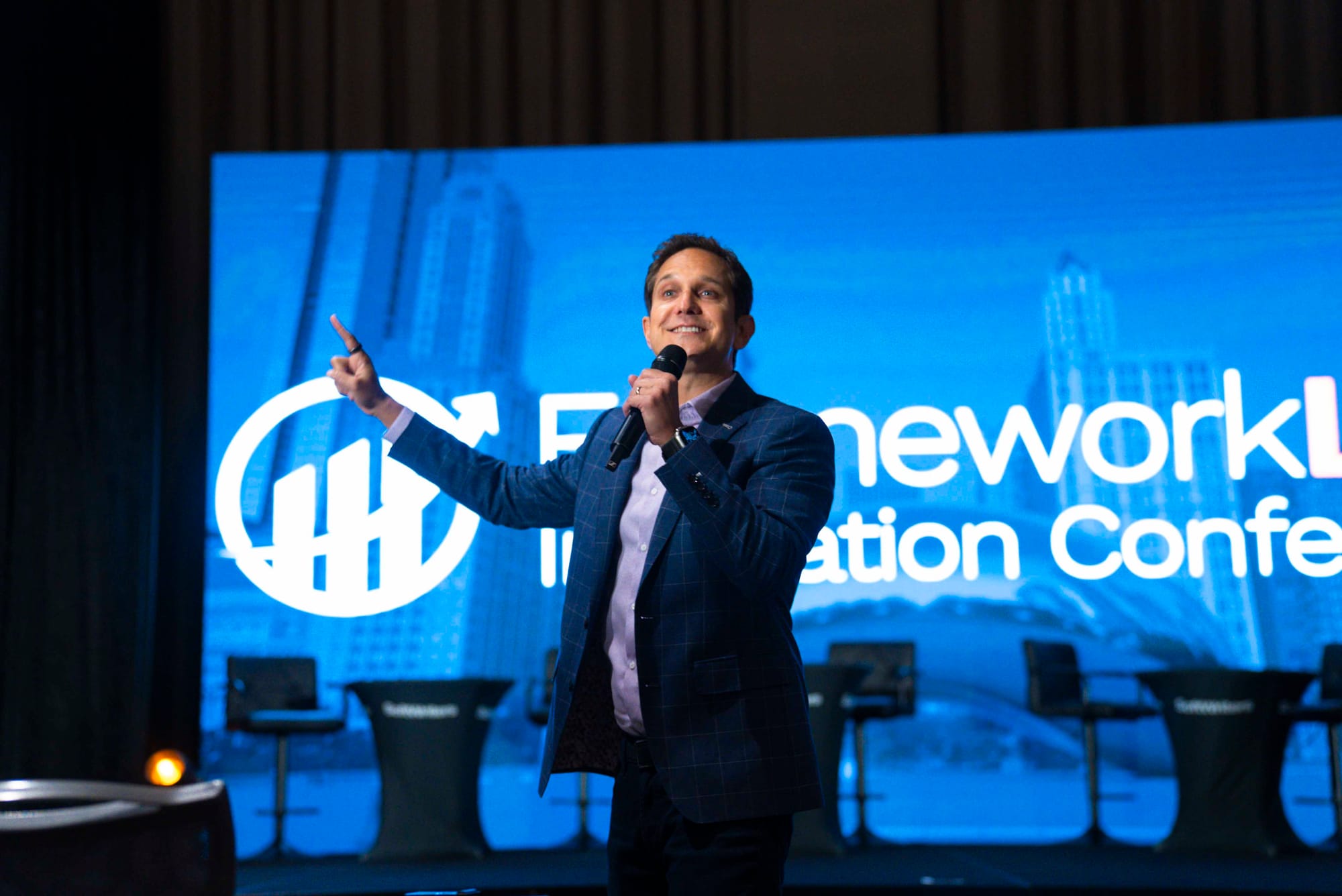
Jason Dorsey: Generational Dynamics & Gen Z Workforce Integration
PTMR